From New York to Tamale: Advancing Locally Led Simulation-Based Medical Education
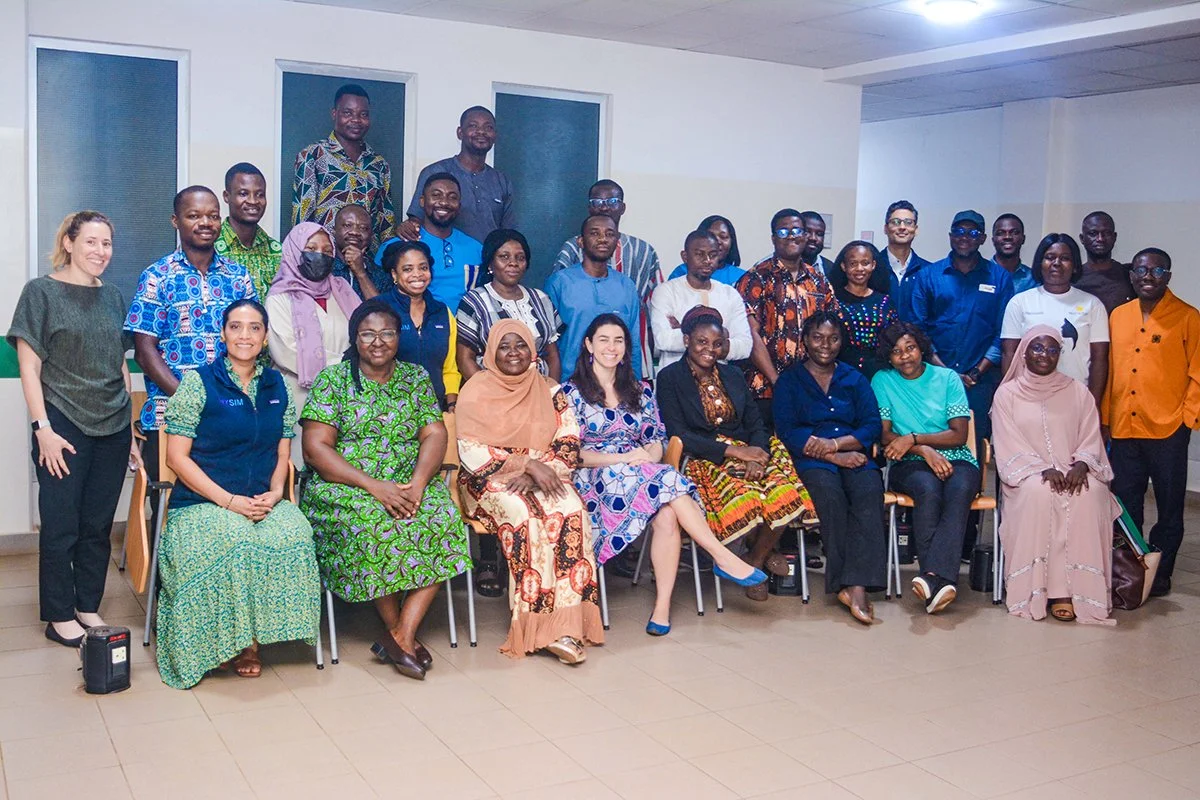
Participants in the 2026 NY Comprehensive Simulation Education course delivered in Tamale, Ghana.
AMPATH Ghana reached a major milestone in developing simulation-based medical education in Tamale this year as faculty from the University for Development Studies School of Medicine (UDS SoM) and Tamale Teaching Hospital (TTH) completed the first-ever Comprehensive Simulation Education (NYCSE) course delivered entirely in Tamale, Ghana.
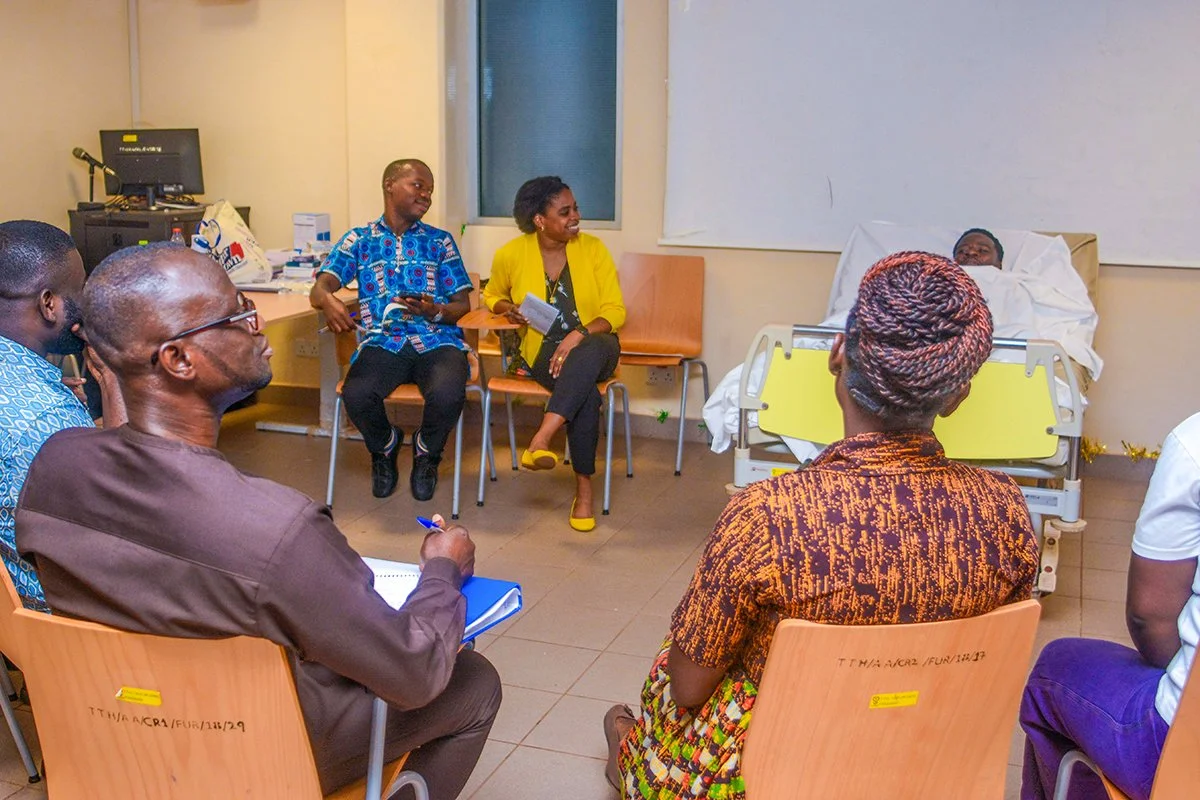
Participants from earlier courses in New York co-taught with faculty from the New York Simulation Center for the Health Sciences.
In 2023 and 2025, AMPATH Ghana organized two NYCSE courses at the New York Simulation Center for the Health Sciences (NYSIM) at NYU Grossman School of Medicine, training 20 faculty from the UDS SoM and TTH. This year, AMPATH Ghana brought the NYCSE course to Tamale, delivering the training locally at TTH through a co-teaching model that paired NYCSE alumni (Patience Gaa and Dr. David Salifu) with three NYSIM directors (Dr. Joanne Agnant, Dr. Deepak Pradhan, and Dr. Laura Penalo). Reflecting on this transition, Dr. Pradhan described this year’s course as a "meaningful evolution of the program," noting that holding the training in Ghana made the learning "more authentic, practical and immediately applicable. Participants were able to design and practice simulations using the spaces, equipment, standardized patients and resources they will actually have available in their own teaching environment."
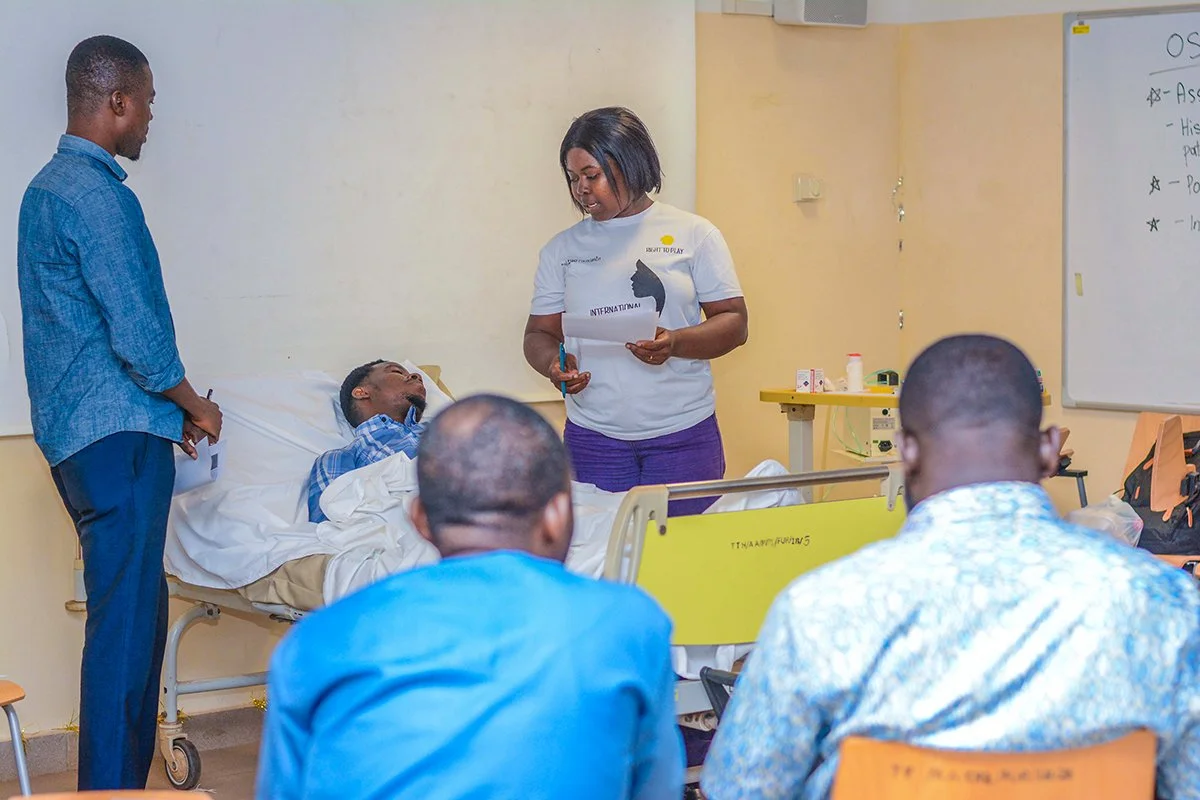
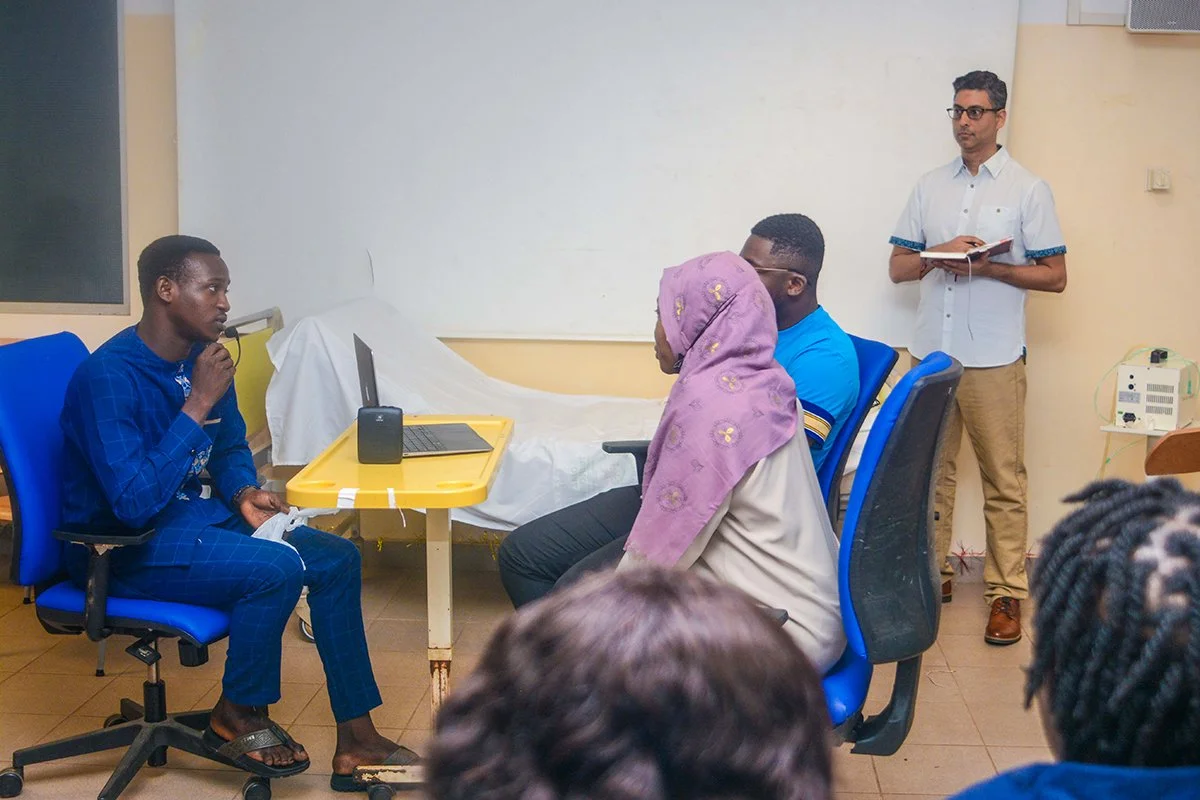
Students participated in active simulations during the course.
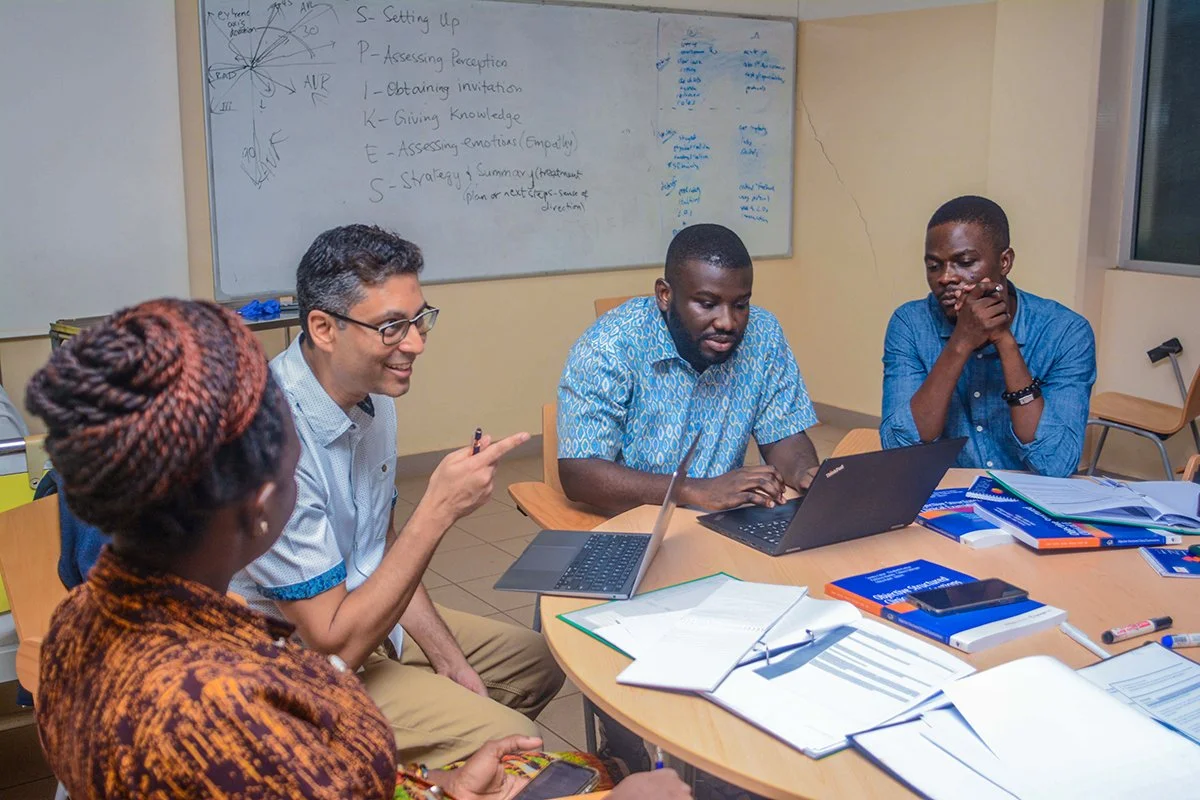
This co-led local training course combined the expertise of NYSIM directors with the practical experience of Ghanaian faculty who had previously completed the program. Alumni shared how they have successfully adapted simulation-based education within the Ghanaian context, while NYSIM directors provided expert mentorship and technical guidance on simulation design, facilitation and debriefing. The curriculum utilized interactive training where multidisciplinary UDS and TTH faculty developed and piloted their own medical education simulations or Objective Structured Clinical Examination (OSCE) cases. Together, this approach ensured that participants learned internationally recognized simulation best practices adapted and made locally relevant to their teaching environment
For Patience Gaa, a 2025 program alum and co-facilitator of the 2026 course, the experience demonstrated the long-term impact of the program. "Participating in the Comprehensive Simulation Education program at NYSIM in 2025 was a turning point in my teaching practice," she reflected. "Being invited this year to serve as a co-facilitator with the NYSIM team in Tamale was therefore a very meaningful experience." She emphasized that bringing the training to Ghana makes simulation education "more accessible, practical and sustainable" and shows that "with the right support and collaboration, we can build local capacity and train faculty and health professionals here in Tamale." Looking ahead, she noted that faculty are now "poised to build our own simulation training sessions and workshops for faculty and healthcare professionals in Northern Ghana.”
Throughout the week, trainees impressed the NYSIM directors with their creativity and commitment to addressing local educational needs. “Watching this diverse group transform their initial ideas into meaningful, impactful learning experiences for their trainees and colleagues has been one of the most rewarding parts of this work,” Dr. Agnant said.
The course also provided an opportunity for NYSIM directors to gain a deeper understanding of the local educational environment and collaborate with participants to develop contextually relevant approaches to simulation-based education. As Dr. Penalo stated, “Conducting this course locally allowed us to better understand the cultural considerations that influence teaching and learner engagement. It also helped us identify and discuss strategies to overcome barriers to simulation implementation unique to their setting.”
One trainee, Dr. Abdul-Mumin Cheltiba Iddrisu, described the impact of the training on his own development as an educator: “Prior to the NYSIM course, much of my experience with simulation training was experimental. This training has formalized my knowledge and provided me with the skills and best practices needed to effectively design, facilitate, and debrief simulation sessions. It has given me greater confidence in using simulation as a tool to improve healthcare education and patient outcomes.”
Those who have been trained over the past 3 years will serve as future simulation education leaders and teachers at the future Tamale Education and InnovAtion Center for Health Professionals (TEACH) which will be built on Tamale Teaching Hospital’s campus over the next 2 years. As Dr. Amanda Klinger, AMPATH Ghana’s education co-lead, shared, “Even before the TEACH facility is built and equipped, AMPATH Ghana is investing in its most important resource – its educators – by strengthening local capacity in simulation-based health professions education.”
Most importantly, this year’s co-led training model demonstrated how international collaboration can evolve into locally led, sustainable educational innovation, which will ultimately improve patient care across Ghana.