
Turning Birthdays Into a Celebration of Health: Birth Month Screening Program Launches in Northern Ghana
AMPATH Ghana and the Ghana Health Service (GHS) encourage Ghanaians to celebrate their birthdays not only with parties, but also with a commitment to their health.
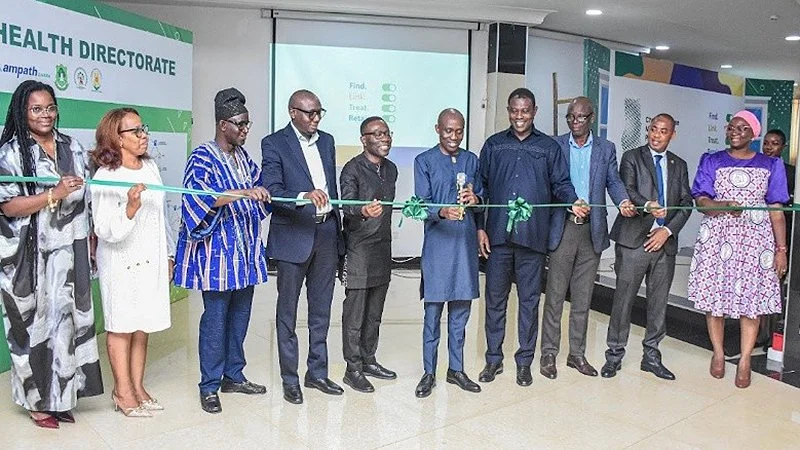
The launch of the Birth Month Screening program
The Birth Month Screening (BMS) program, launched in 2025, encourages people to seek routine health screenings during their birth month each year.
The launch marks an important milestone for AMPATH Ghana’s Chronic Disease Management (CDM) program, following five years of expansion across the Northern Region of Ghana. The initiative represents a transition from pilot efforts to a region-wide, public-sector-led approach to strengthen chronic disease prevention, early detection and continuity of care.
The Birth Month Screening program aims to:
Promote routine screening for hypertension, diabetes, depression, and cervical and breast cancers to support early detection and timely care
Normalize preventative health behaviors by encouraging individuals to seek screening during their birth month each year
Integrate wellness and chronic care clinics into routine service delivery across all districts in the Northern Region of Ghana to strengthen referral and linkage to care
Enhance partnership with the GHS to embed Birth Month Screening within the public health system and support sustainability and scale-up
Advance Ghana’s national noncommunicable disease (NCD) priorities through a practical, community-embedded approach that reduces undiagnosed disease and builds a culture of proactive wellness
Prior to the launch, national level engagements were held with the GHS and the National Health Insurance Authority to align the initiative with key national priorities including the Free Primary Health Care Initiative and the Ghana Medical Trust Fund, which aim to improve access to care for chronic diseases.
At the regional level, stakeholder consultations and design workshops supported the development of the CDM model and clinical guidelines for wellness and chronic care clinics. A total of 109 master trainers were trained, and subsequently led step-down trainings for 497 healthcare workers across 16 districts in the Northern Region. The trainings focused on screening, referral linkages, care, and monitoring for conditions such as diabetes, hypertension, mental health disorders and cervical cancer.
More than 90 participants attended the launch including the leaders of the GHS and National Health Insurance Authority at the national and subnational levels.
Also in attendance were members of AMPATH Ghana leadership including representatives from Tamale Teaching Hospital, the University for Development Studies and NYU Grossman School of Medicine. Partner organizations present included Jhpiego, BasicNeeds Ghana, Savana Signatures and Norsaac.
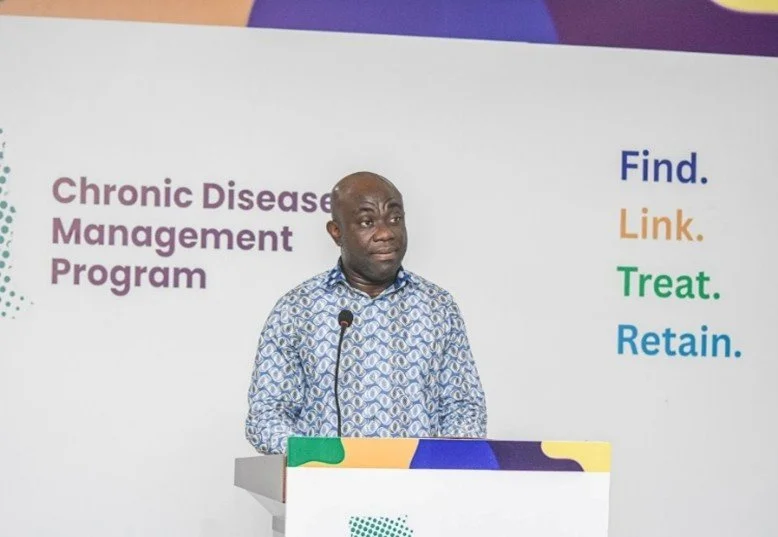
In his welcome address, Dr. Chrysantus Kubio, regional director of health service for the Northern Region, emphasized the urgency of strengthening prevention and early detection.
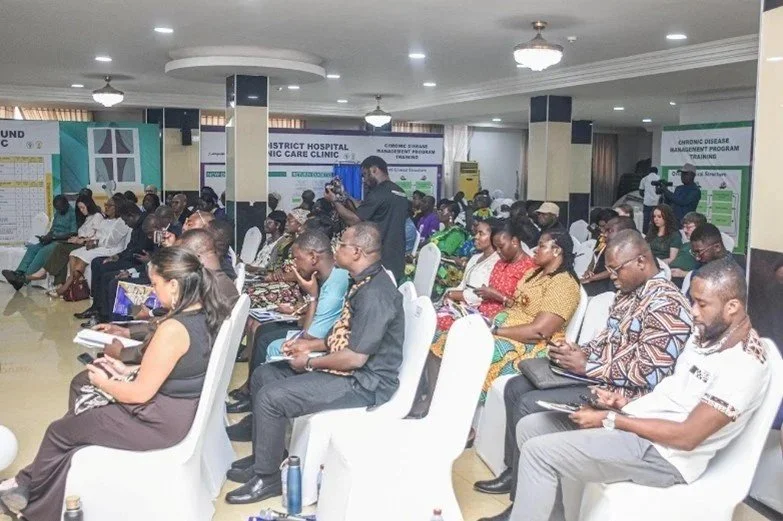
Many partners joined AMPATH Ghana at the kick-off event
“NCDs account for about 45 percent of deaths in Ghana. There is a clear need to promote screening for early detection and care,” he said. “Birth Month Screening offers a simple but powerful nudge to change behaviors and reduce deaths and disability. Birthdays should be celebrations of health, life and hope.”
The executive site director of AMPATH Ghana, Laud A. Boateng, MD, explained that the Birth Month Screening Initiative is part of AMPATH Ghana’s CDM Program supported by a grant from the Eli Lilly and Company Foundation to Indiana University related to its efforts supporting the AMPATH Global programs in resource-limited settings in Ghana, Kenya and Nepal.
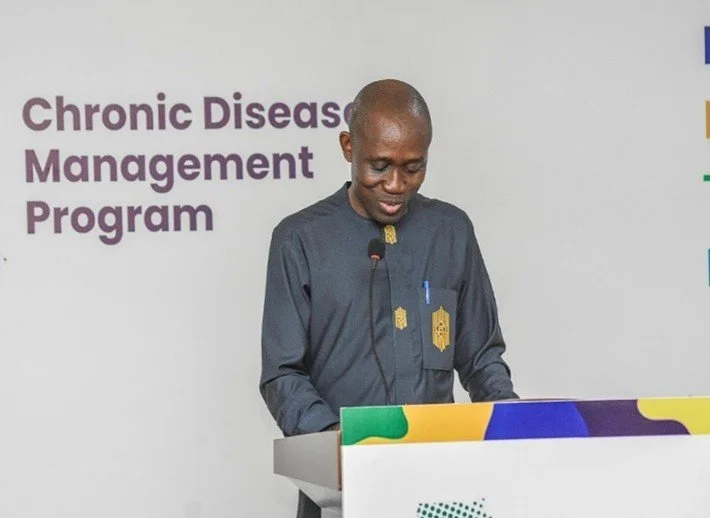
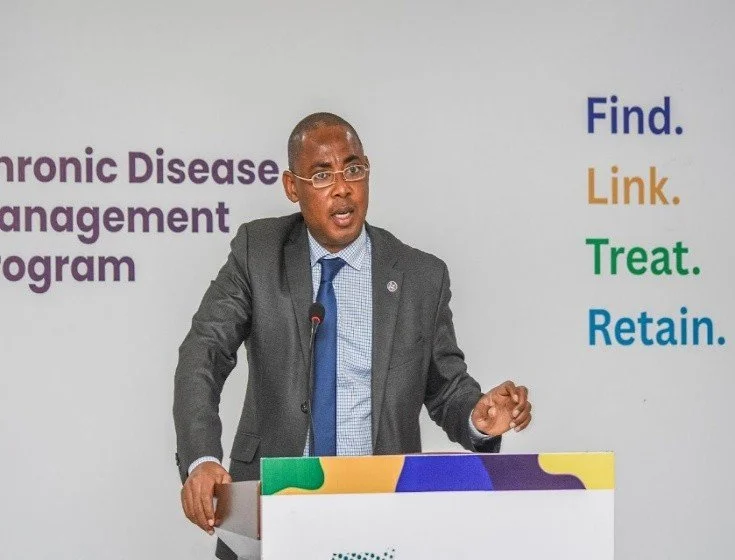
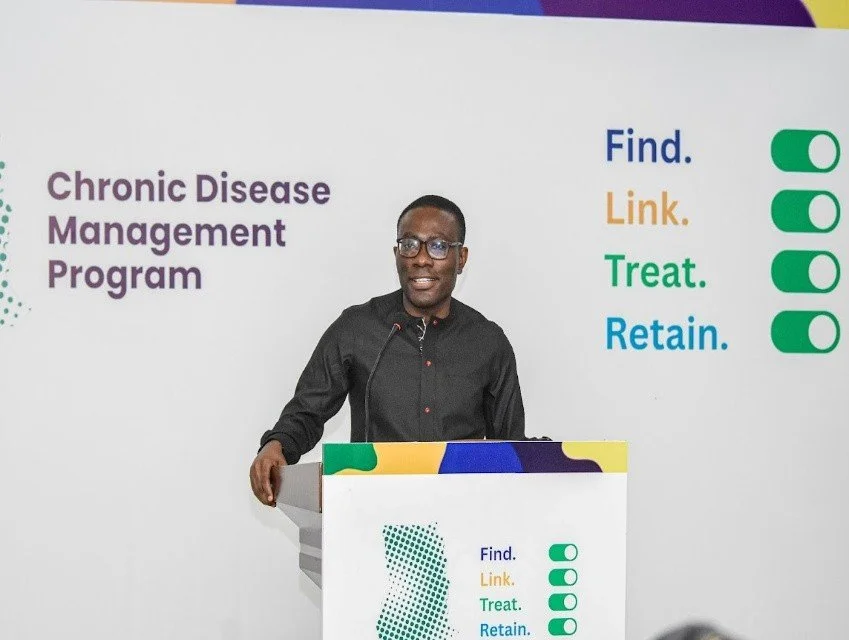
He noted that a single routine check each year can significantly increase the likelihood of detecting NCDs early.
“This initiative is different from previous approaches that focused mainly on mass screening without clear guidelines for linkage to care,” said Dr. Boateng. “The operational logic is a four-step approach: find, link, treat and retain. To operationalize this model, wellness and chronic care clinics have been strengthened to support community-level screening and care.”
Dr. Paa Kobina, representing Jhpiego Ghana, a partner global health organization, highlighted the program’s strong potential to support integrated care.
“The model supports universal health coverage by enabling integrated person-centered care embedded in local systems and informed by local data,” he said. “It is well-suited for addressing a range of NCDs including breast cancer. Jhpiego Ghana is currently implementing an intervention to strengthen breast cancer screening and care and will collaborate with AMPATH Ghana in this effort.”
The National Health Insurance Authority was represented by Abass Sulemana, director of research, policy monitoring and evaluation. In remarks delivered on behalf of the chief executive officer, he described the launch as “an important step toward addressing the growing burden of chronic disease.
“Birth Month Screening offers a small but powerful nudge for people to prioritize health,” he said. “The collaborative nature of this initiative reflects a shared commitment to improving health outcomes. Wellness should be routine and not reactive.”
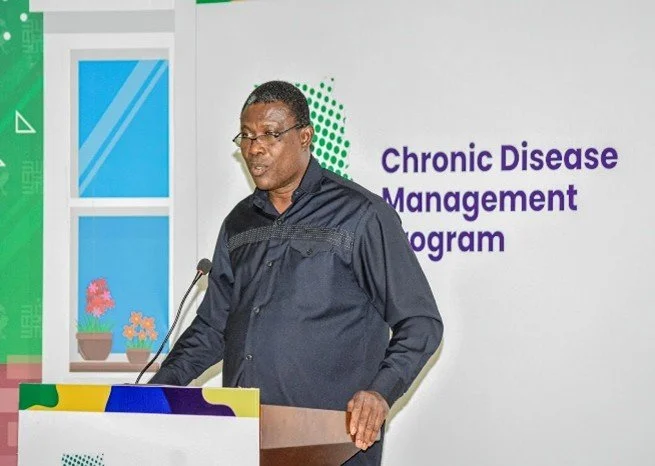
The keynote address was delivered on behalf of the director general of the GHS by Dr. Franklin Asiedu-Bekoe, director of public health. He reaffirmed the government’s commitment to strengthening primary healthcare and integrating NCD indicators into digital health systems.
“The Birth Month Screening initiative aligns with the government’s Free Primary Health Care and Mahama Cares policies,” he said. “I urge policymakers, health workers, and communities alike to embrace routine screening, prevention, and collective responsibility.”
The launch concluded with a strong sense of shared purpose. Participants emphasized that making routine screening part of everyday life will require sustained partnerships, continued investment in support of primary health systems, and community-focused messaging.
As implementation expands, AMPATH Ghana and its partners and supporters will continue documenting lessons, refining delivery strategies, and advocating for national scale-up. These efforts will help position the Birth Month Screening model for sustainable integration within Ghana’s health system.